
1769 survey of Monongahela
EAST MAIN STREET MONONGAHELA PA 1st Ward
Daniel Depue commissioned justice of the peace in 1793 by governor Thomas Mifflin
Daniel Owned 1000 acres including all the land in what is now the 1st ward of Monongahela,
including Stockdale, Williams, Warne and the Sam Hill tracks
Many of the early land titles are in his name and under
Augusta Virginia title
This survey is laid over a map from 1915 Monongahela as property reference
Paradice and Eden land patent
The "Paradice" (Paradise) and "Eden" tracts form the definitive foundation of modern Monongahela City, Pennsylvania. They represent two of the three original colonial land claims staked at the confluence of Pigeon Creek a"Paradice" (or Paradise): Staked by James Linnes. This tract sat directly north of "Eden" and was bordered on its northern edge by the mouth of Pigeon Creek.
The Three Original Patents (April 17th1769)
Following the Treaty of Fort Stanwix, the Penn family opened southwestern Pennsylvania for settlement. On April 17, 1769, three settlers officially applied for adjacent parcels along the riverbank:
- "Eden": Staked by William Nowland. This central tract encompassed what is now Monongahela’s First Ward, running south from the city line down to Factory and Walnut Streets.
- "Gloucester": Staked by Peter Froman. This third tract lay further downriver, running from Fourth Street to Dry Run Road.
Parkisons and Depues
These tracts quickly transitioned from raw frontiers into a unified town layout as early families bought and subdivided the land:
- The Parkison Joseph Parkison arrived and established Parkison's Ferry right on the west bank of the river, straddling these tracts. He was eventually recognized as the town's official founder, consolidating much of this riverfront property.
- The Warne and Depue Inheritances: Nowland's "Eden" tract was later acquired by Major James Warne, the son-in-law of Joseph Parkison. Because the Depue, Parkison, and Warne families intermarried and jointly operated the early ferry, docks, and mills at Pigeon Creek
ROBINSON FAN 1882 MONONGAHELA PA
Robinson Fans (originally founded as the Robinson Machine Company) started in Black Diamond Pa
James R. Robinson—a Cornell-educated mechanical engineer—and his father, Samuel, created it to make mechanical ventilation and heavy machinery for the region's coal mines.
The Robinsons invented some of the first mechanical fans for coal mines to clear explosive methane gas. This made mines much safer. The fan was manufactured in sizes ranging from 4 to 30 feet in diameter, with larger units available upon request.
J.R. Robinson wrote "Practical Mine Ventilation" in 1921.
Operations moved to Zelienople, PA, in 1921.
THE CAPELL FAN MERGER
The historical transition involving the Capell Fan in Monongahela, Pennsylvania was not a standard corporate merger, but rather a fierce technological takeover and legal consolidation.
In the late 1800s and early 1900s, the "Capell Fan"—invented by English clergyman George M. Capell—was the most dominant, efficient mine ventilation design in the world.
The Capell Fan & Manufacturing Company set up shop directly in Monongahela to build them for the local coal industry.
The "merger" of these competing Monongahela operations came down to three major factors:
The Patent Battles
George Capell aggressively sued American licensees who tried to copy or modify his design without paying royalties. A massive federal appeals court battle resulted in a hybrid design known as the Capell-Clifford fan.
Robinson Machine Company (later Robinson Fans) was also engineering its own competitive, high-efficiency centrifugal fans. Over time, Robinson absorbed the market share, local talent, and technological concepts of the Capell operation as regional mining contracts consolidated.
The Multi-Rotor Design
The Capell fan was famous for a highly unique, complex design featuring two rotors nested inside one another on a single axis. A cylindrical steel drum sat between them, utilizing small openings to blast air outward. Robinson's engineers successfully built upon these centrifugal air-flow physics, creating simpler, more durable single-wheel centrifugal designs that were easier to maintain in harsh coal mines. ''
The 1921 Exodus
By the time J.R. Robinson published his definitive textbook, Practical Mine Ventilation, in 1921, the era of the old Capell Fan company in Monongahela had effectively drawn to a close. Robinson consolidated its position as the premier mining ventilation authority in Western Pennsylvania and moved all manufacturing operations north to Zelienople, PA to scale out production

Black Diamond ENGINEERING COMPANY
EST 1868
FANS
MINE CARS
SARAH STREET AND EAST MAIN
y


History of East Main Street Monongahela pa
Hazzard Pa.
East Main Street Monongahela area has had number of name changes thru the years
Once called Hazzard Pa after Hon.T.R. Hazzard
Thomas Hazzard served Four times as the Burgess of Monongahela city.
The Hazzard post office was located
at the Monongahela VFW parking lot
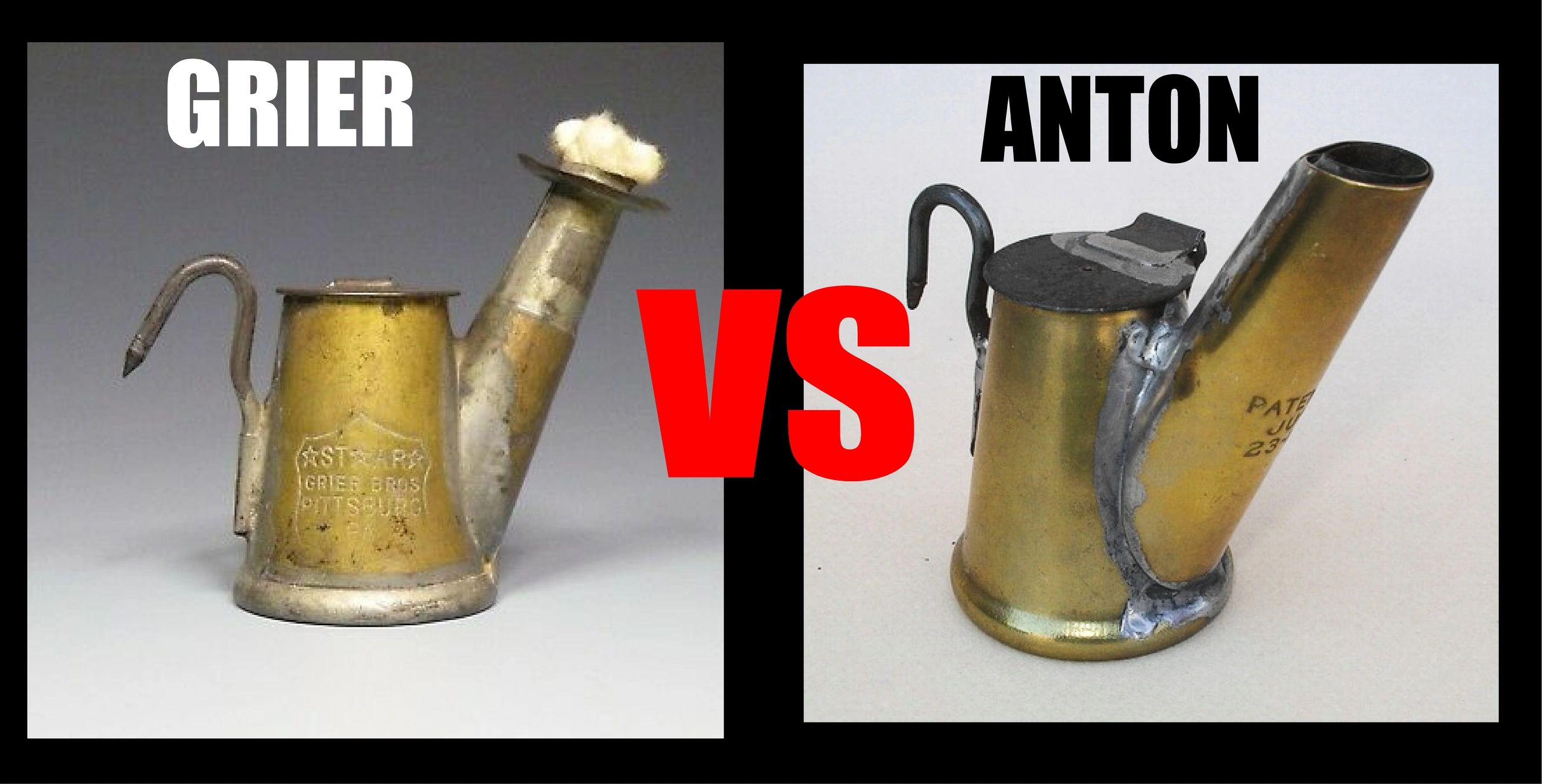
THE ANTON BROS LAWSUIT
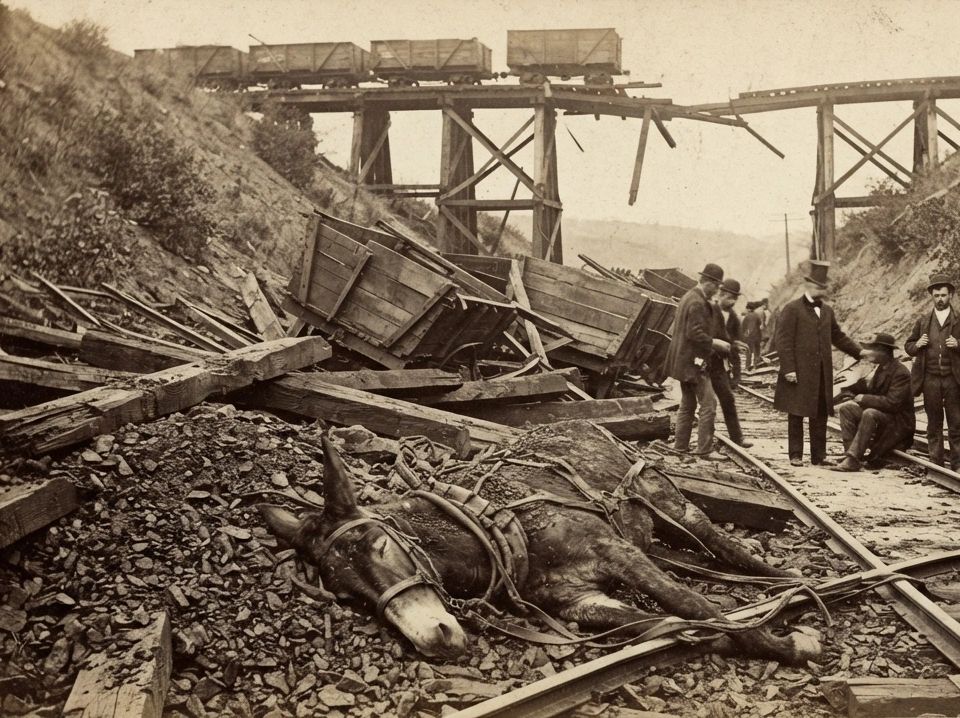
A Terrible Tumble.
1872 May 9th BLACK DIAMOND
Whilst the coal cars were passing the trestle work
over the coal road in East Williamsport,
The timbers gave way,
Precipitating the mule and the whole train of cars, together with three persons to the ground.
R. Nelson and J. Alexander were badly bruised and cut the fall, though fortunately no bones were broken.
Though Mr. Balaam was almost covered up by the debris, and apparently dead,
Nevertheless, when disentangled, his lordship went to •eating grass as quietly as if nothing unusual happened.
The Unbothered "Mr. Balaam": The draft animal—humorously named "Mr. Balaam" (a biblical allusion to the Prophet Balaam's talking donkey) and mockingly referred to as "his lordship"—stole the show. Despite being buried alive under collapsed heavy timbers and assumed dead, he immediately began casually munching on grass the moment he was dug out
Drs. Keyes and Stuckslager attended the wounded who are doing well
-


Monongahela River Valley Historical Research
.
.